

REBalance & Restore
Physiotherapy
If you have private health insurance and on medical prescription, physiotherapy sessions should be reimbursed.
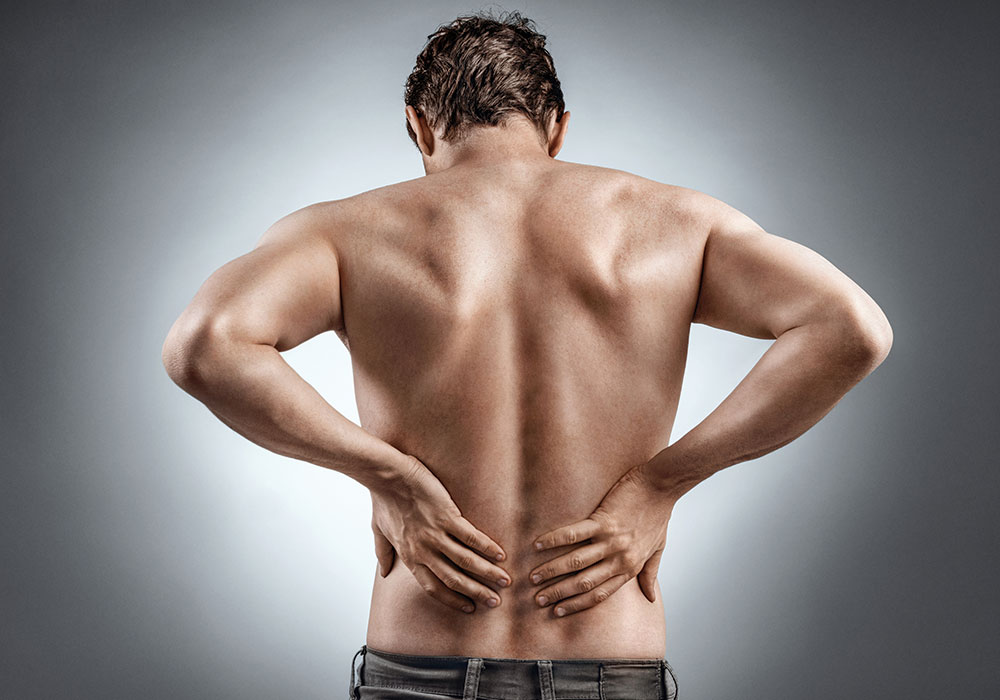
Classic Physiotherapy Pain Relief Session
Classic physiotherapy helps people affected by injury, illness or disability through movement and exercise, manual therapy, education and advice. Our fully qualified physiotherapists maintain health for people of all ages, helping patients to manage pain and prevent disease.
Sports Physiotherapy
A specialised branch of physiotherapy which deals with injuries and issues related to sports people. Sports injuries do differ to everyday injuries. Athletes normally require high level performance and demand placed upon their body, which stresses their muscles, joints and bones to the limit. Sports physiotherapists help athletes recover from sporting injuries, and provide education and resources to prevent problems. Sports physiotheapy is dedicated to sports men and women of all ages engaged in sports at any level of competition.


Neuroligical Physiotherapy
Damage to your central nervous system, including your brain and spinal cord, means that the messages from your brain are not reaching the affected parts of your body. This can result in loss of movement and sensation, uncoordinated movement, weak and floppy muscles, spasm and tremor. Neurological Physiotherapy is able to kick-start the message pathways that your brain is struggling to use, to make new pathways through repetitive actions and exercises. We offer treatment for all neurological conditions, including stroke, head injuries, spinal cord injuries and Parkinson’s.
Physiotherapy for Children
Physiotherapy for children and adolescents who have been injured or who have movement problems from a disease or disability are welcome with us. We teach children exercises in a playful way to help them find strength and joy in movement. Recommended for children with pain associated with muscle tension, sports injuries, postural issues, neurological disorders, orthopedic disabilities and injuries, heart and lung diseases, birth defects (eg spina bifida) and genetic disorders.

All sessions may include the treatments listed below depending on each patients individual needs.
Manual Therapy / Joint & Back Mobilization
Manual therapy is a “hands-on” treatment that includes moving joints in specific directions and at different speeds to regain movement, muscle stretching, passive movements of the affected body part, or having the patient move the body part against the therapist’s resistance to improve muscle activation and timing. Selected specific soft tissue techniques may also be used to improve the mobility and function of tissue and muscles improving tissue extensibility, increase range of motion of the joint, induce relaxation, increase muscle function and to reduce pain in soft tissue, swelling and inflammation and to reduce restriction of movement.
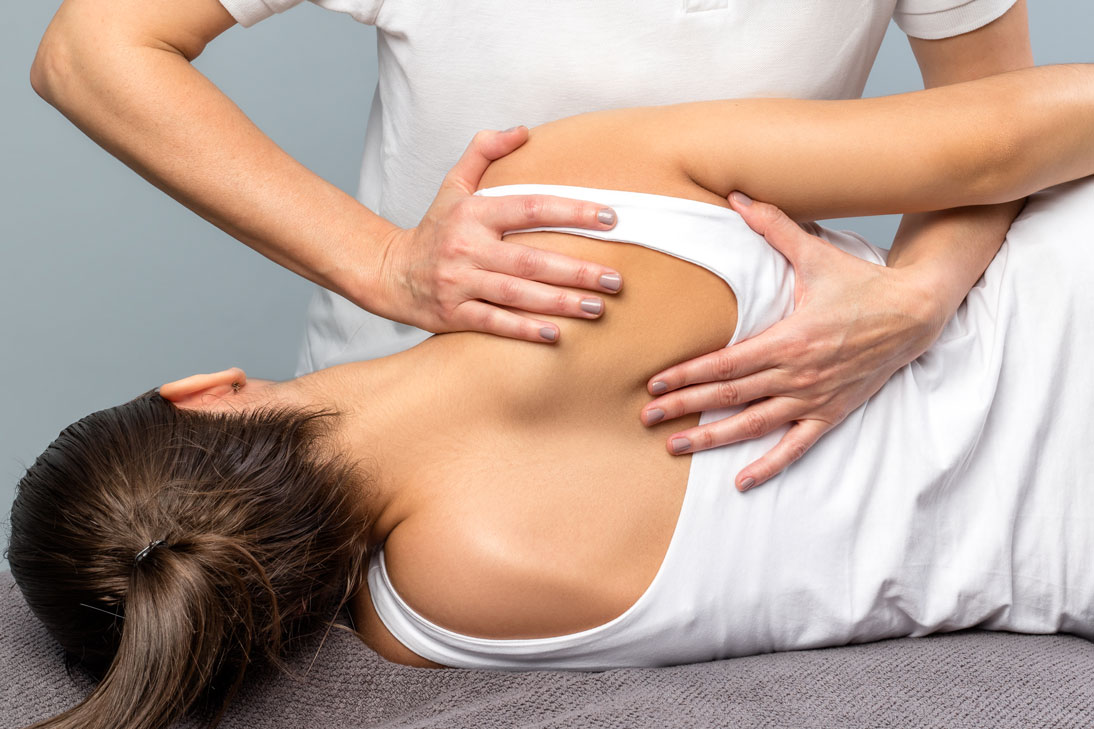
Trigger Point Therapy
Myofascial trigger point therapy consists of alternately concentrating pressure on nodes in the muscle. Pressure is applied with fingers, knuckles and elbows to effectively relieve muscle spasms. Trigger therapy and massages typically cause initial pain and “good pain”. Applying pressure to trigger points can also result in “passed on pain” (pain felt elsewhere). Sore muscles may appear for a few days after the session.
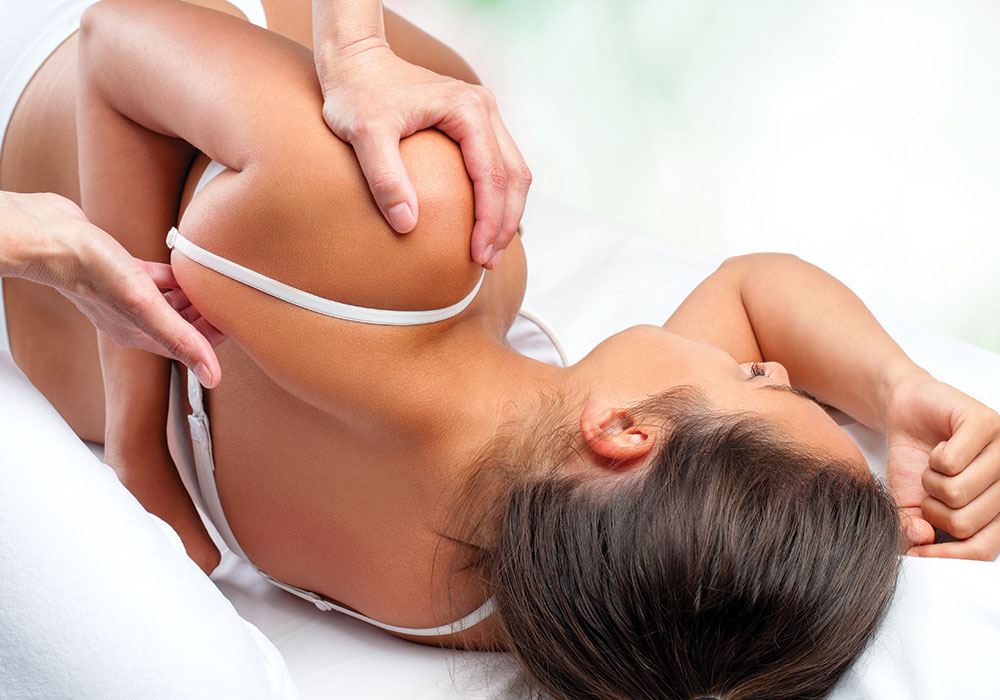
Electro Stimulation Therapy
Electrotherapy is a form of medical treatment, which uses small electrical impulses to repair tissue, stimulate muscles and increase sensations and muscle strength. The benefits of electrotherapy are wide-ranging and include a more advanced healing process, a more effective circulatory system and increased muscle tone. The effects of electrotherapy include a reduction in pain, increased strength, increased range of movement, increased speed and strength of muscle contractions and an increased rate of absorption.
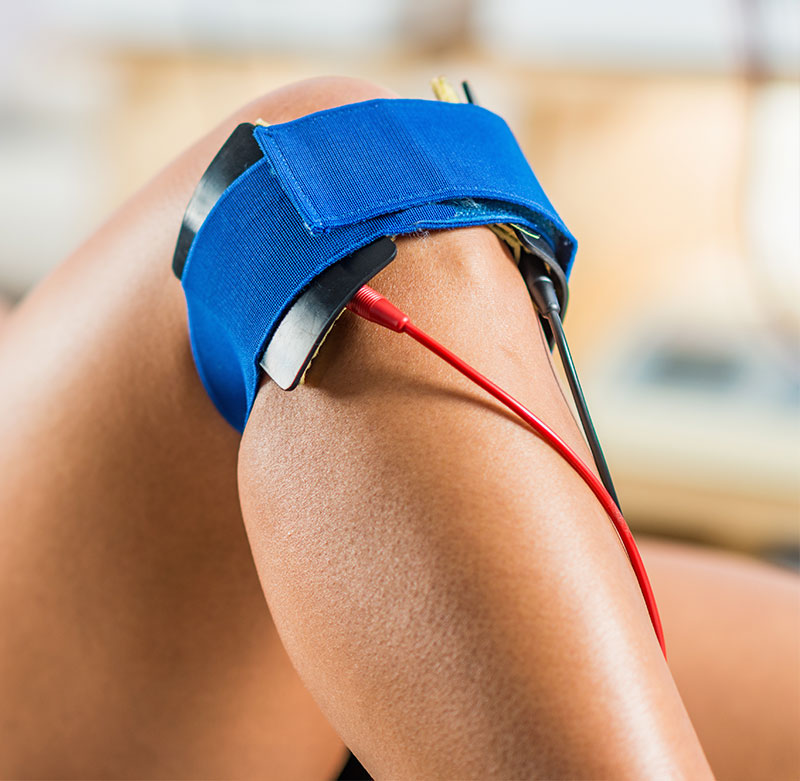
Dry Needling
Dry Needling is a treatment where a sterile, single-use, fine filament needle (acupuncture needle) is inserted into the muscle to release myofascial trigger points (knots in the muscle) that helps to decrease pain and improve function. Dry needling can be used to assist with pain management and restore movement at a joint if inhibited by myofascial trigger points.
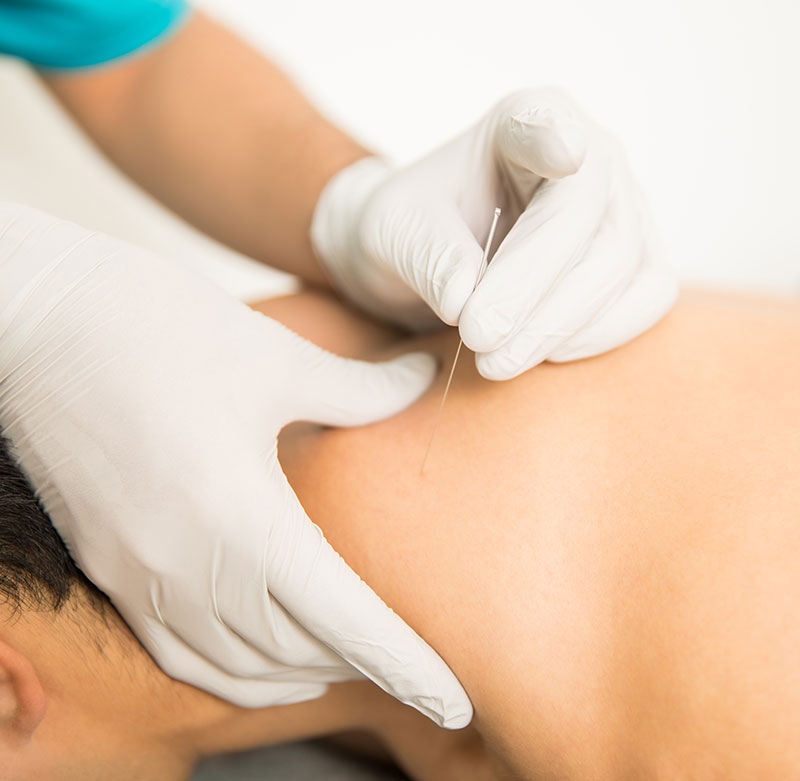
Electrotherapy for Pain Relief
Electrotherapy is a form of medical treatment, which uses small electrical impulses to repair tissue, stimulate muscles and increase sensations and muscle strength. The benefits of electrotherapy are wide-ranging and include a more advanced healing process, a more effective circulatory system and increased muscle tone. The effects of electrotherapy include a reduction in pain, increased strength, increased range of movement, increased speed and strength of muscle contractions and an increased rate of absorption.
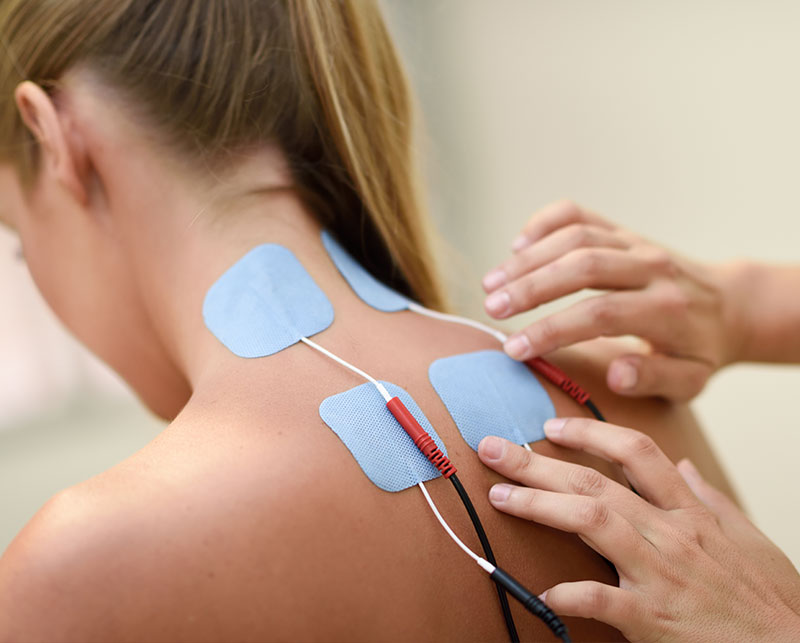
Ultrasound Therapy
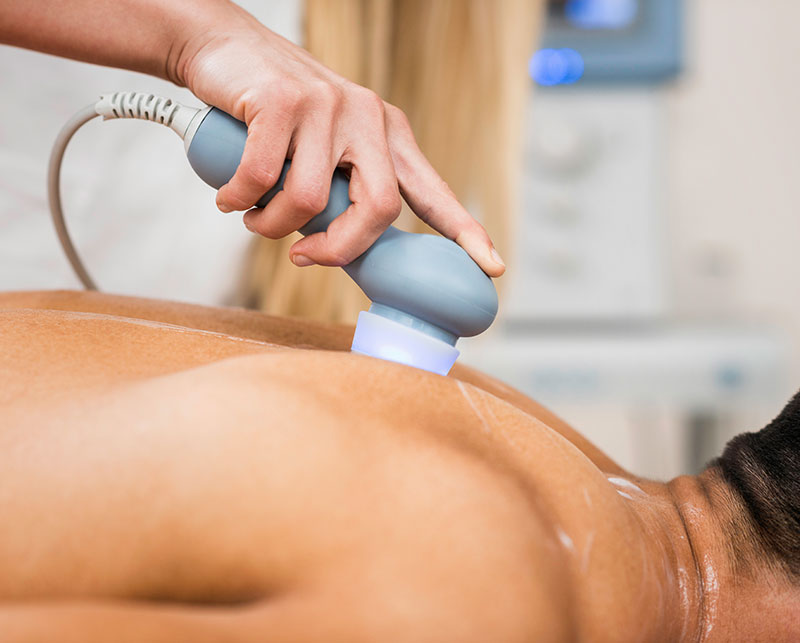
Ultrasound is applied using a round-headed wand or probe that is put in direct contact with the patient’s skin. Therapeutic ultrasound is in the frequency range of about 0.8-3.0 MHz. The waves are generated by a piezoelectric effect caused by the vibration of crystals within the head of the wand/probe. The sound waves that pass through the skin cause a vibration of the local tissues. Its effects are an increase in tissue relaxation, local blood flow, and scar tissue breakdown. The effect of the increase in local blood flow can be used to help reduce local swelling and chronic inflammation, and, according to some studies, promote bone fracture healing. It can also be used to achieve phonophoresis.
Kinesio Taping
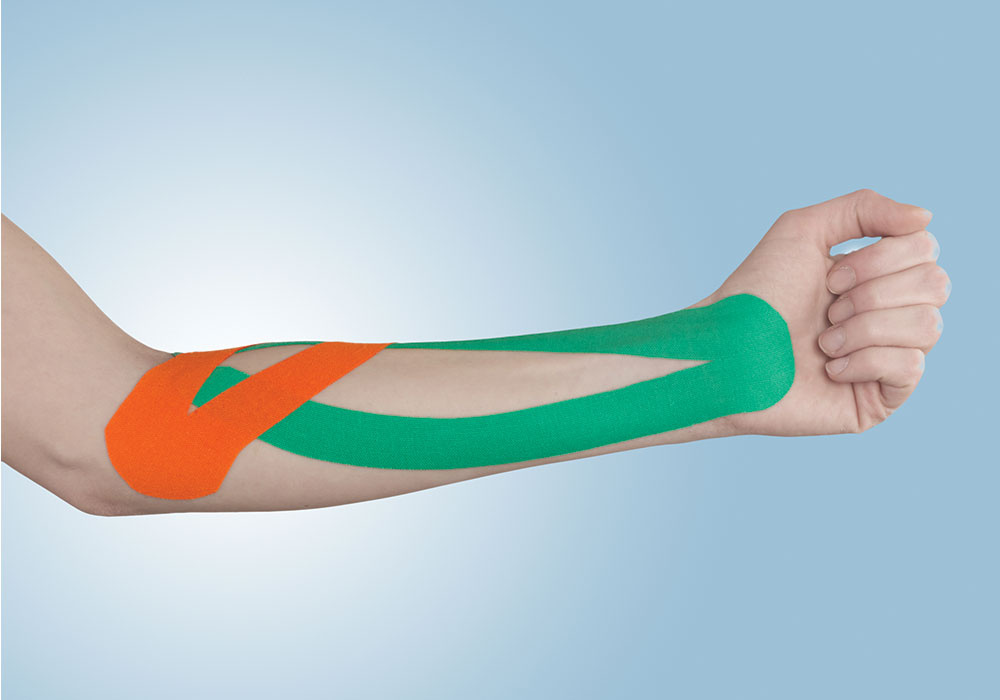
The Kinesio Taping® Method is a definitive rehabilitative taping technique that is designed to facilitate the body’s natural healing process while providing support and stability to muscles and joints without restricting the body’s range of motion as well as providing extended soft tissue manipulation to prolong the benefits of manual therapy administered within the clinical setting. Latex-free and wearable for days at a time, Kinesio® Tex Tape is safe for populations ranging from pediatric to geriatric, and successfully treats a variety of orthopedic, neuromuscular, neurological and other medical conditions. By targeting different receptors within the somatosensory system, it alleviates pain and facilitates lymphatic drainage by microscopically lifting the skin. This lifting affect forms convolutions in the skin thus increasing interstitial space and allowing for a decrease in inflammation of the affected areas.
Hot Stone Therapy
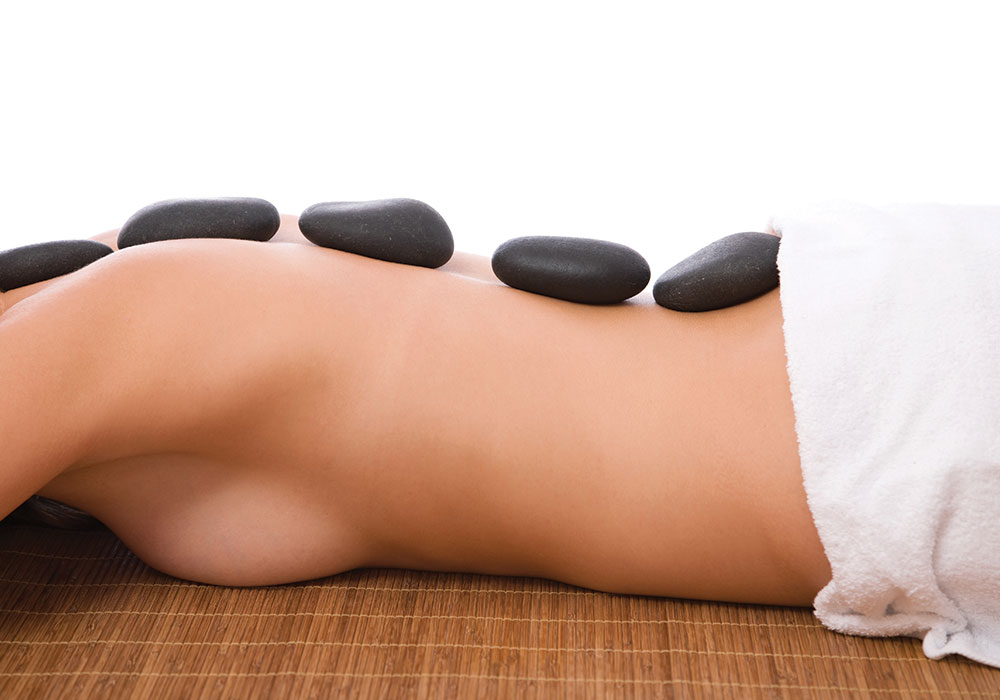
Hot Stones are dark lava stones, which store warmth for a long time to release to the body. They provide relief from pain associated with fibromyalgia, arthritis, carpal tunnel syndrome and other chronic diseases causing physical pain and muscle cramps. They reduce chronic stress and tension, increase flexibility of the joints and improve blood circulation.
Manual Lymphatic Drainage / Bandaging
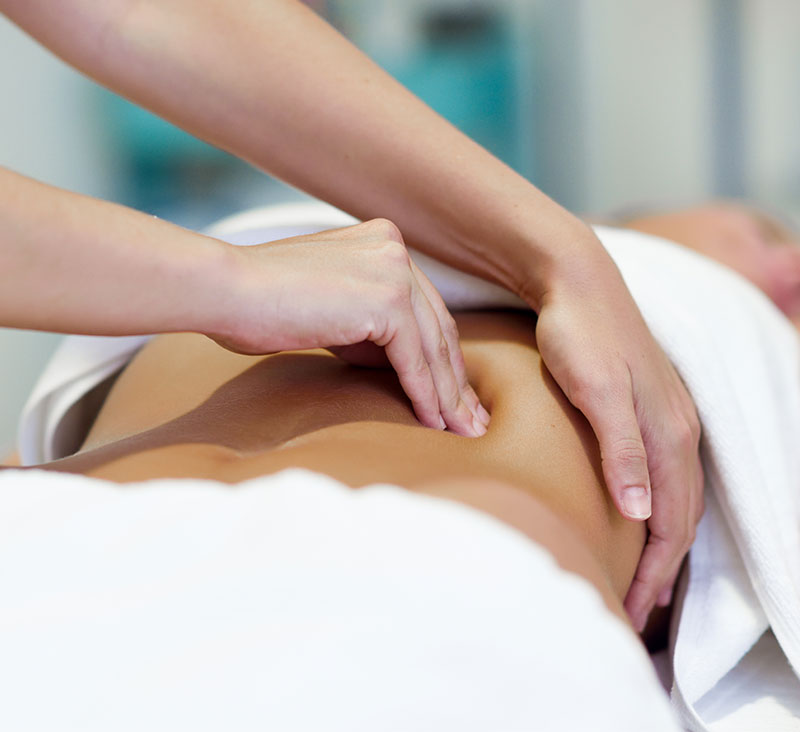
Manual lymphatic drainage (MLD) is a type of gentle massage which is intended to encourage the natural drainage of the lymph, which carries waste products away from the tissues back toward the heart. The lymph system depends on intrinsic contractions of the smooth muscle cells in the walls of lymph vessels (peristalsis) and the movement of skeletal muscles to propel lymph through the vessels to lymph nodes and then to the lymph ducts which return lymph to the cardiovascular system. Manual lymph drainage uses a specific amount of pressure and rhythmic circular movements to stimulate lymph flow.

Infrared Light Therapy
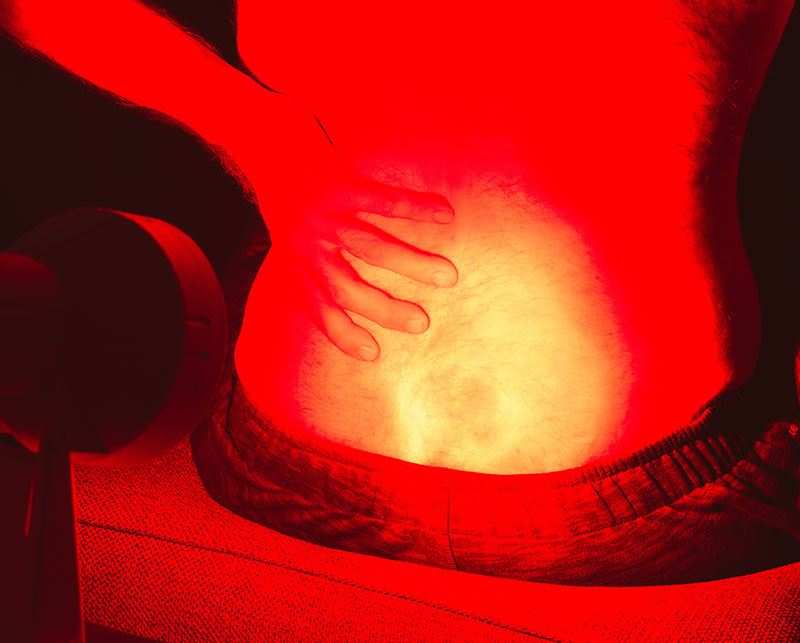
Infrared radiation is a convenient system to heat parts of our body. It has the advantage over direct contact in that radiation can heat directly the area where the blood capillaries and neuron terminals are. When heat comes from a direct contact source it has to heat the external layer of the skin, and heat is transferred to the deeper layer by conduction. Since heat conduction needs a temperature gradient to proceed, and there is a maximum temperature that can be safely used (around 42 °C), this means lower temperature where warming is needed.

Myofascial Release Therapy
Fascia is a thin, tough, elastic type of connective tissue that wraps most structures within the human body, including muscle. Fascia supports and protects these structures. Myofascial Release is a safe and very effective hands-on technique that involves applying gentle sustained pressure into the Myofascial connective tissue restrictions to eliminate pain and restore motion improving blood and lymphatic circulation, and stimulating the stretch reflex in muscles. Each Myofascial Release Treatment session is performed directly on skin without oils, creams or machinery. This enables the therapist to accurately detect fascial restrictions and apply the appropriate amount of sustained pressure to facilitate release of the fascia. Trauma, inflammatory responses, and/or surgical procedures create Myofascial restrictions.
Analgesic Icing
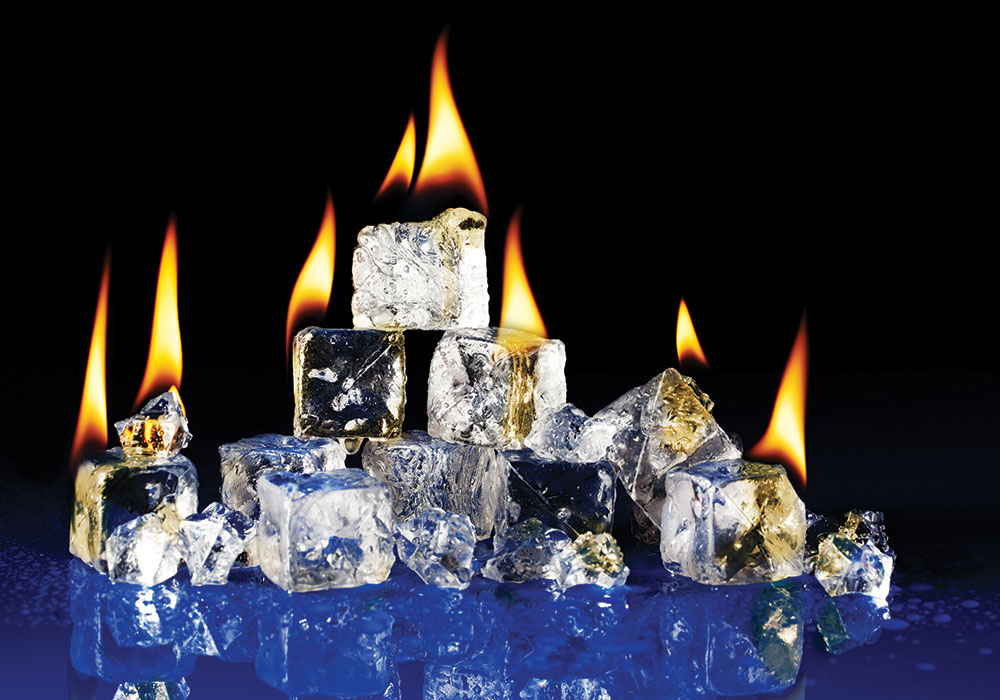
Applying ice to an injury has been shown to reduce pain, it is acceptable to cool an injured part for
short periods soon after the injury occurs. You could apply the ice for up to 10 minutes, remove it
for 20 minutes, and repeat the 10 minute application as many times a day as heat is entering the
injured and inflamed body area.
Other therapy sessions available:

Osteopathy
Classical Osteopathy is a holistic approach to treatment. It aims to balance and harmonise the systems and tissues of the body as a whole, so that it may better heal itself. Stress, injury and pain are the most frequent reasons for seeking treatment, but truly all kinds of ailments can be addressed. The gentle tests and manipulations performed by the osteopath will release tensions and re-centre the body, so that it’s health and vitality are maximised.
Cranio – Sacral – Therapy
Cranio-Sacral-Therapy is a form of bodywork or alternative therapy that uses gentle touching to palpate the synarthrodial joints of the cranium including the whole spine from sacrum to skull. It can be very beneficial for people with pain conditions of the back, headaches and symptoms of stress.


Medical Training Therapy (MTT)
Medical training therapy is a physio-therapeutic treatment concept used mainly in later stages of rehabilitation. The aim of medical training therapy is to regenerate and improve muscle functions such as strength, endurance, stability and coordination. We provide you with a plan for exercising and training tailored to your needs, both with guidance of a therapist and to do on your own.
If you have private health insurance and on medical prescription, physiotherapy sessions should be reimbursed.
Classic Physiotherapy Pain Relief Session
Classic physiotherapy helps people affected by injury, illness or disability through movement and exercise, manual therapy, education and advice. Our fully qualified physiotherapists maintain health for people of all ages, helping patients to manage pain and prevent disease.
Sports Physiotherapy
A specialised branch of physiotherapy which deals with injuries and issues related to sports people. Sports injuries do differ to everyday injuries. Athletes normally require high level performance and demand placed upon their body, which stresses their muscles, joints and bones to the limit. Sports physiotherapists help athletes recover from sporting injuries, and provide education and resources to prevent problems. Sports physiotheapy is dedicated to sports men and women of all ages engaged in sports at any level of competition.
Neuroligical Physiotherapy
Damage to your central nervous system, including your brain and spinal cord, means that the messages from your brain are not reaching the affected parts of your body. This can result in loss of movement and sensation, uncoordinated movement, weak and floppy muscles, spasm and tremor. Neurological Physiotherapy is able to kick-start the message pathways that your brain is struggling to use, to make new pathways through repetitive actions and exercises. We offer treatment for all neurological conditions, including stroke, head injuries, spinal cord injuries and Parkinson’s.
Physiotherapy for Children
Physiotherapy for children and adolescents who have been injured or who have movement problems from a disease or disability are welcome with us. We teach children exercises in a playful way to help them find strength and joy in movement. Recommended for children with pain associated with muscle tension, sports injuries, postural issues, neurological disorders, orthopedic disabilities and injuries, heart and lung diseases, birth defects (eg spina bifida) and genetic disorders.
All sessions may include the treatments listed below depending on each patients individual needs.
Manual Therapy / Joint & Back Mobilization
Manual therapy is a “hands-on” treatment that includes moving joints in specific directions and at different speeds to regain movement, muscle stretching, passive movements of the affected body part, or having the patient move the body part against the therapist’s resistance to improve muscle activation and timing. Selected specific soft tissue techniques may also be used to improve the mobility and function of tissue and muscles improving tissue extensibility, increase range of motion of the joint, induce relaxation, increase muscle function and to reduce pain in soft tissue, swelling and inflammation and to reduce restriction of movement.
Trigger Point Therapy
Myofascial trigger point therapy consists of alternately concentrating pressure on nodes in the muscle. Pressure is applied with fingers, knuckles and elbows to effectively relieve muscle spasms. Trigger therapy and massages typically cause initial pain and “good pain”. Applying pressure to trigger points can also result in “passed on pain” (pain felt elsewhere). Sore muscles may appear for a few days after the session.
Electro Stimulation Therapy
Electrotherapy is a form of medical treatment, which uses small electrical impulses to repair tissue, stimulate muscles and increase sensations and muscle strength. The benefits of electrotherapy are wide-ranging and include a more advanced healing process, a more effective circulatory system and increased muscle tone. The effects of electrotherapy include a reduction in pain, increased strength, increased range of movement, increased speed and strength of muscle contractions and an increased rate of absorption.
Dry Needling
Dry Needling is a treatment where a sterile, single-use, fine filament needle (acupuncture needle) is inserted into the muscle to release myofascial trigger points (knots in the muscle) that helps to decrease pain and improve function. Dry needling can be used to assist with pain management and restore movement at a joint if inhibited by myofascial trigger points.
Electrotherapy for Pain Relief
Electrotherapy is a form of medical treatment, which uses small electrical impulses to repair tissue, stimulate muscles and increase sensations and muscle strength. The benefits of electrotherapy are wide-ranging and include a more advanced healing process, a more effective circulatory system and increased muscle tone. The effects of electrotherapy include a reduction in pain, increased strength, increased range of movement, increased speed and strength of muscle contractions and an increased rate of absorption.
Ultrasound Therapy
Ultrasound is applied using a round-headed wand or probe that is put in direct contact with the patient’s skin. Therapeutic ultrasound is in the frequency range of about 0.8-3.0 MHz. The waves are generated by a piezoelectric effect caused by the vibration of crystals within the head of the wand/probe. The sound waves that pass through the skin cause a vibration of the local tissues. Its effects are an increase in tissue relaxation, local blood flow, and scar tissue breakdown. The effect of the increase in local blood flow can be used to help reduce local swelling and chronic inflammation, and, according to some studies, promote bone fracture healing. It can also be used to achieve phonophoresis.
Kinesio Taping
The Kinesio Taping® Method is a definitive rehabilitative taping technique that is designed to facilitate the body’s natural healing process while providing support and stability to muscles and joints without restricting the body’s range of motion as well as providing extended soft tissue manipulation to prolong the benefits of manual therapy administered within the clinical setting. Latex-free and wearable for days at a time, Kinesio® Tex Tape is safe for populations ranging from pediatric to geriatric, and successfully treats a variety of orthopedic, neuromuscular, neurological and other medical conditions. By targeting different receptors within the somatosensory system, it alleviates pain and facilitates lymphatic drainage by microscopically lifting the skin. This lifting affect forms convolutions in the skin thus increasing interstitial space and allowing for a decrease in inflammation of the affected areas.
Hot Stone Therapy
Hot Stones are dark lava stones, which store warmth for a long time to release to the body. They provide relief from pain associated with fibromyalgia, arthritis, carpal tunnel syndrome and other chronic diseases causing physical pain and muscle cramps. They reduce chronic stress and tension, increase flexibility of the joints and improve blood circulation.
Manual Lymphatic Drainage / Bandaging
Manual lymphatic drainage (MLD) is a type of gentle massage which is intended to encourage the natural drainage of the lymph, which carries waste products away from the tissues back toward the heart. The lymph system depends on intrinsic contractions of the smooth muscle cells in the walls of lymph vessels (peristalsis) and the movement of skeletal muscles to propel lymph through the vessels to lymph nodes and then to the lymph ducts which return lymph to the cardiovascular system. Manual lymph drainage uses a specific amount of pressure and rhythmic circular movements to stimulate lymph flow.
Infrared Light Therapy
Infrared radiation is a convenient system to heat parts of our body. It has the advantage over direct contact in that radiation can heat directly the area where the blood capillaries and neuron terminals are. When heat comes from a direct contact source it has to heat the external layer of the skin, and heat is transferred to the deeper layer by conduction. Since heat conduction needs a temperature gradient to proceed, and there is a maximum temperature that can be safely used (around 42 °C), this means lower temperature where warming is needed.
Myofascial Release Therapy
Fascia is a thin, tough, elastic type of connective tissue that wraps most structures within the human body, including muscle. Fascia supports and protects these structures. Myofascial Release is a safe and very effective hands-on technique that involves applying gentle sustained pressure into the Myofascial connective tissue restrictions to eliminate pain and restore motion improving blood and lymphatic circulation, and stimulating the stretch reflex in muscles. Each Myofascial Release Treatment session is performed directly on skin without oils, creams or machinery. This enables the therapist to accurately detect fascial restrictions and apply the appropriate amount of sustained pressure to facilitate release of the fascia. Trauma, inflammatory responses, and/or surgical procedures create Myofascial restrictions.
Analgesic Icing
Applying ice to an injury has been shown to reduce pain, it is acceptable to cool an injured part for
short periods soon after the injury occurs. You could apply the ice for up to 10 minutes, remove it
for 20 minutes, and repeat the 10 minute application as many times a day as heat is entering the
injured and inflamed body area.
Other therapy sessions available:
Osteopathy
Classical Osteopathy is a holistic approach to treatment. It aims to balance and harmonise the systems and tissues of the body as a whole, so that it may better heal itself. Stress, injury and pain are the most frequent reasons for seeking treatment, but truly all kinds of ailments can be addressed. The gentle tests and manipulations performed by the osteopath will release tensions and re-centre the body, so that it’s health and vitality are maximised.
Cranio – Sacral – Therapy
Cranio-Sacral-Therapy is a form of bodywork or alternative therapy that uses gentle touching to palpate the synarthrodial joints of the cranium including the whole spine from sacrum to skull. It can be very beneficial for people with pain conditions of the back, headaches and symptoms of stress.
Medical Training Therapy (MTT)
Medical training therapy is a physio-therapeutic treatment concept used mainly in later stages of rehabilitation. The aim of medical training therapy is to regenerate and improve muscle functions such as strength, endurance, stability and coordination. We provide you with a plan for exercising and training tailored to your needs, both with guidance of a therapist and to do on your own.
Special Offer!
BUY ANY 5 TREATMENTS & SAVE 10%
Testimonials
What They Say
